Who edits Milewright
David spent his working life in aerospace manufacturing. As a Production Leader at Rolls-Royce, he oversaw the build and assembly of jet engine sections that went into Airbus and Boeing aircraft. His earlier role was Production Manager at WEC Group. You can find David King's career history on LinkedIn (opens in a new tab).
That background shapes how evidence gets weighed here: chasing the root cause of any gap between promise and result, and trusting only data you can follow back to the test it came from. It doesn't make him a watch expert, and he doesn't pretend to be one. He's an editor and researcher, not a reviewer. In my old line of work, a number with no test behind it was a question rather than an answer. A battery claim with no screen setting printed beside it gets the same treatment here.
Watches aren't the only subject on his desk: David edits several buying guides built on research the same way.
Why GPS watches are worth getting right
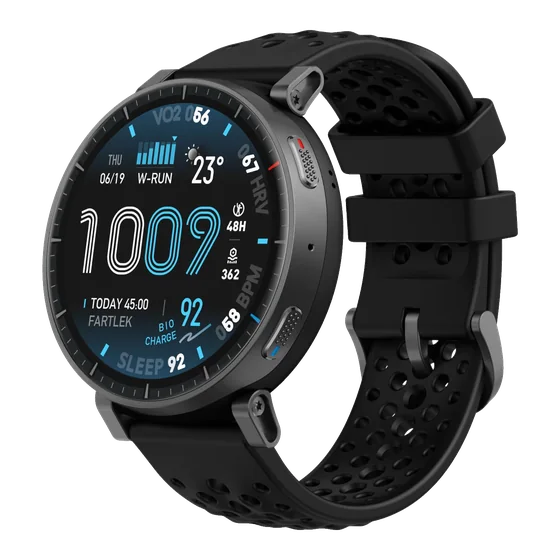
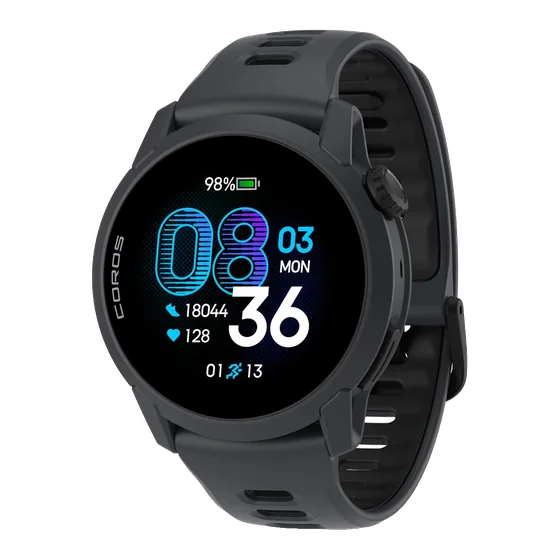
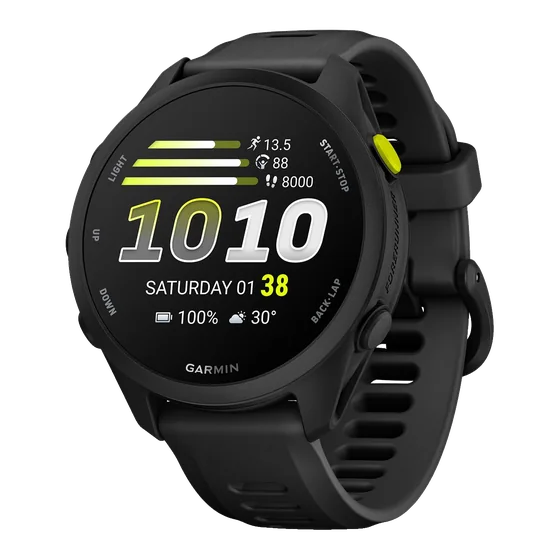
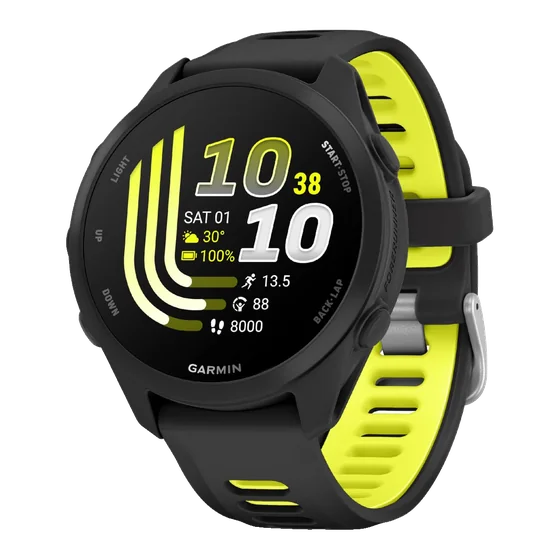
A running watch fails at the worst possible moment. It dies before the long run is over. It hands your PR to the tall buildings downtown. A subscription shows up after you've bought it, an update leaves it half working, or you paid flagship money for features you never touch and the maker replaces it a month later. We cover GPS sports watches for American runners, hikers and triathletes, from a first race to an ultra. We judge them exact model by exact model, because a result for one size or generation tells you nothing certain about its sibling. If battery is your worry, the GPS battery planner for your longest day is the place to start.
What we don't do
Nobody here has worn, used or tested the watches we cover. There's no lab behind these pages, makers don't send us watches, and no spot in any ranking is for sale. When a page says a watch fades under trees or outlasts its battery claim, that finding belongs to the lab, reviewer, maker's manual or owners who reported it, and the page names the source where the call leans on it.
How the research is done
The research is AI-assisted. AI models read makers' product pages and US manuals, independent labs' published tests, reviewers' write-ups and videos, and owners' reports on Reddit and YouTube. They follow each lead back to its source, and the full text of every web source relied on is kept. Reddit threads read before November 2026 are kept as the reader's summary and counted separately. Every fact is filed against the exact model it covers and marked as a maker's claim, a measurement or something an owner saw happen. When labs disagree, their numbers sit side by side with the tests behind them, never averaged into one tidy score.
Each page is drafted by an AI model from its own evidence only, with no web access while writing. Before anything is published, scripts comb it for price figures and for any wording that would credit the site with experience that really belongs to a lab or an owner, and confirm that every number traces to a fact on file for that model. The whole process is laid out in how we research GPS watches.
How Milewright earns money
As an Amazon Associate I earn from qualifying purchases.
Buying through one of our links costs you nothing extra. The commission never decides a call. A watch that doesn't suit you gets a "skip" whatever it pays, and every skip names a watch that suits you better. Pages show price bands rather than live prices, because prices change daily; Amazon shows you the current one.
We'd rather lose a sale than have you standing at an aid station with a blank screen.