At a glance

Price bands, not prices

WatchVerdictWho it suitsThe catchPrice band and link
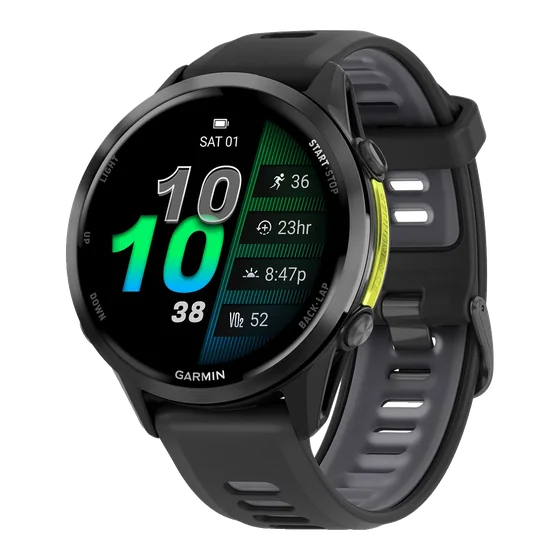
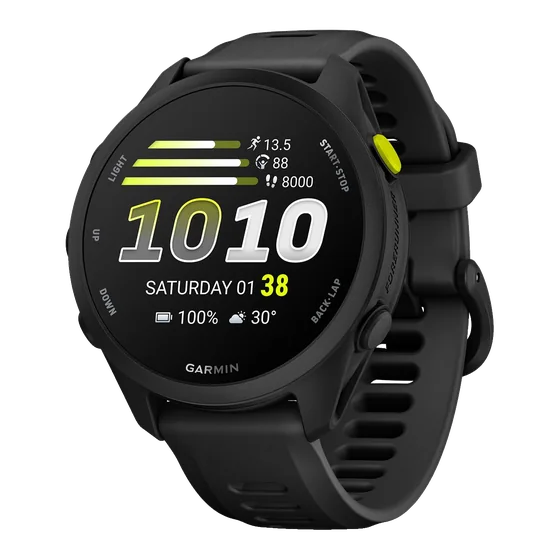
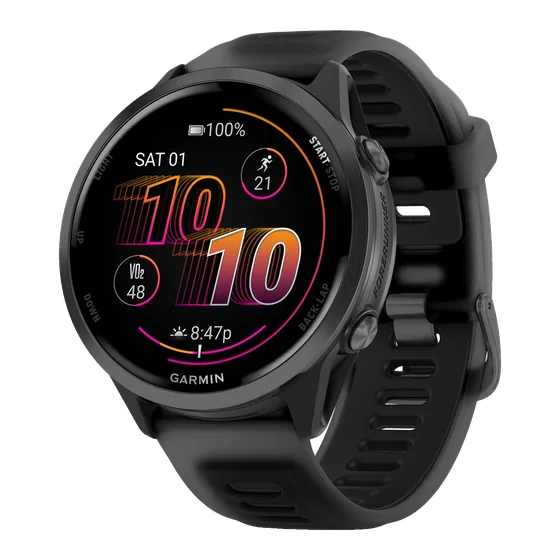
Garmin Forerunner 570 – 47mmOur pickBest for running plus strength trainingRunners and HYROX racers who lift and will strap on a heart-rate monitor for weight sessionsGarmin's manual has no HYROX profileUnder $600View on Amazon (opens in a new tab)
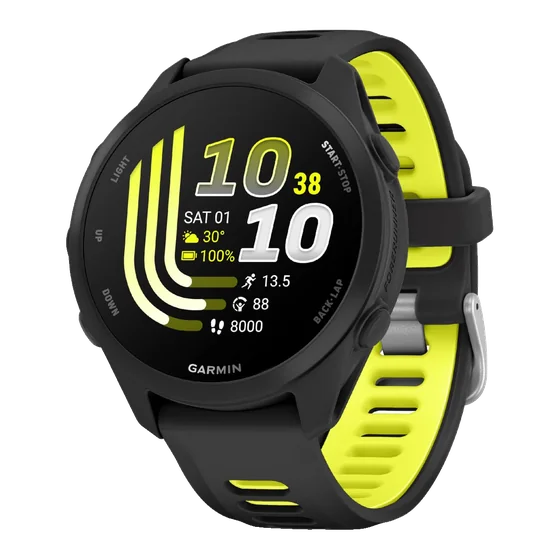
Garmin Forerunner 970BuyBest if your running is the bigger halfMarathoners and triathletes who lift a couple of times a week and also want maps and a flashlightA price band more than the 570 for no better heart rate in the gymUnder $800View on Amazon (opens in a new tab)
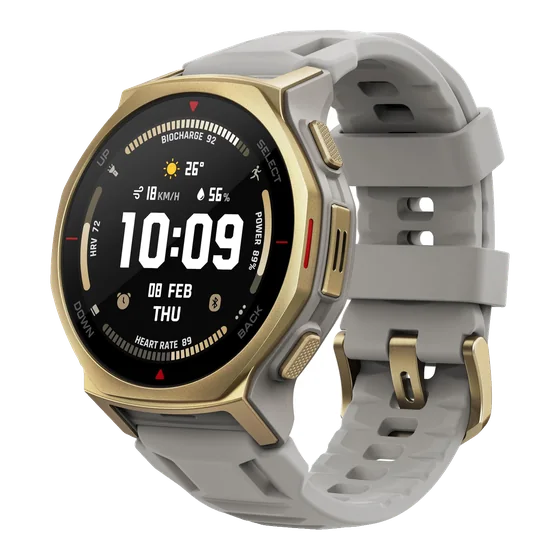
Amazfit T-Rex 3 ProBuyBest rugged watch for the gym and the trailLifters who also hike or trail run and want sapphire, titanium and rerouting maps on a slimmer wristOwners report bugs arriving with later updates, including stuck workout heart rateUnder $400View on Amazon (opens in a new tab)
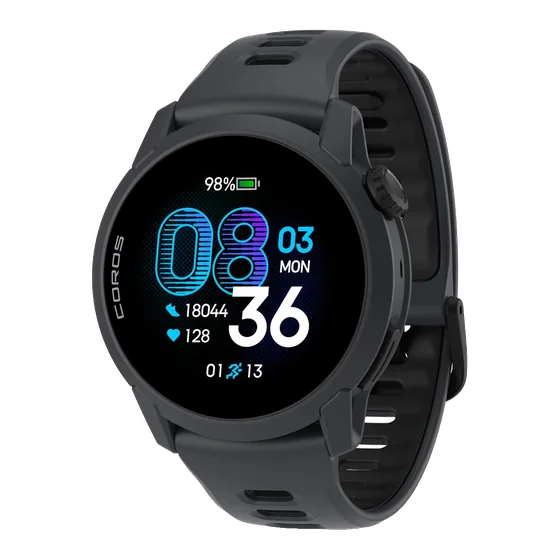
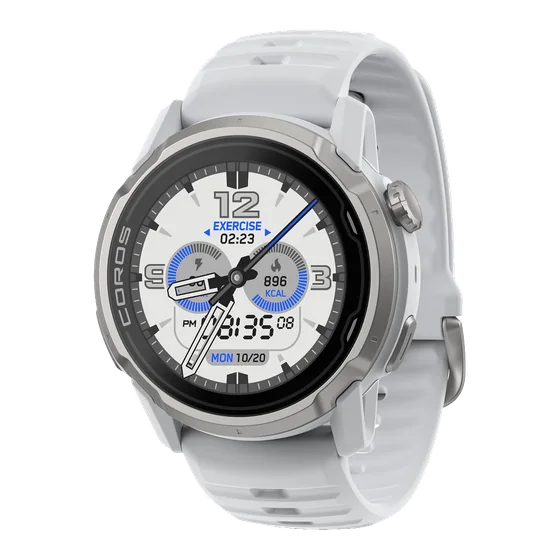
COROS PACE 4BuyBest under $250 for runners who liftBudget runners who lift, want a Hybrid Fitness mode and hate chargingIts on-watch training load resets every MondayUnder $250View on Amazon (opens in a new tab)
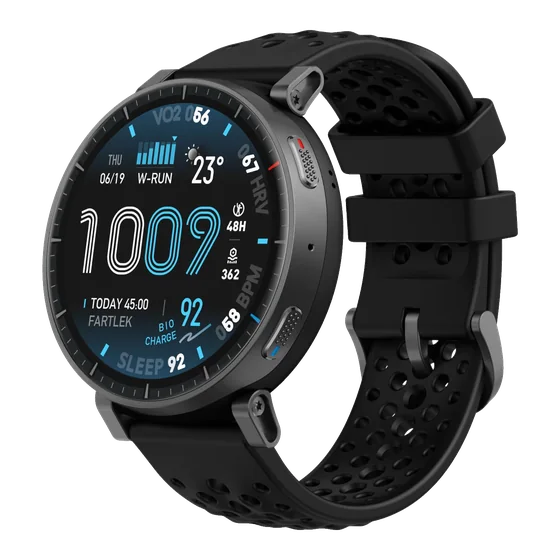
Amazfit Active MaxBuyBest under $200, with automatic rep countingLifters on a tight budget who mostly run open roadsNo automatic screen lock, so a sleeve can end a workoutUnder $200View on Amazon (opens in a new tab)
COROS PACE 4 ProWaitNew: wait for the battery fixCOROS fans who want the big, bright screen and Hybrid Fitness modeWorkout battery projected well under COROS's own figure until a promised fix landsUnder $450
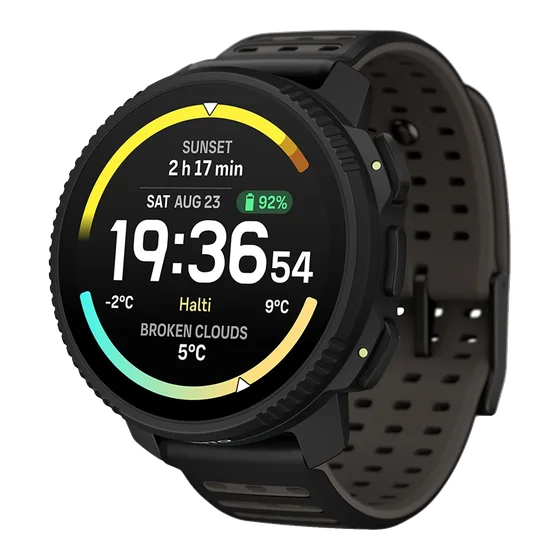
Apple Watch Ultra 4WaitNew: wait for a test under a bariPhone owners who want one watch for the gym, the run and everything elseNobody has measured its heart rate in the gym yetUnder $800

Several of these watches will count your reps, and the 570 even draws little diagrams of the muscles you just punished. What no box mentions is that the heart rate underneath goes vague the moment you grip a bar. So Milewright's pick for runners and HYROX racers who lift is the Garmin Forerunner 570 (47mm), with a chest strap beside it whenever the weights come out. On a run, the best wrists here track a strap almost perfectly. Under a barbell, every watch that's been measured misses the spike each set puts in your pulse.

The 570 reads your runs as well as anything here. It logs lifting with rep counts and muscle maps, and plays your Spotify playlist with the phone left in the locker. Pair a strap and, per Garmin's manual, it switches to the strap's heart rate without being asked. Its catch: the manual has no HYROX profile at all. Your wall balls and sled pushes get no race mode of their own.

Garmin Forerunner 570 – 47mmUnder $600
Check price on Amazon (opens in a new tab)

Opens Amazon.com · Prices change often

What changes the answer when you lift

Run and lift, and you're asking one watch to do two jobs. Only one of them suits a light shining into your wrist.

The Quantified Scientist measured seven of these watches against a Polar H10 chest strap, activity by activity. The pattern never budges. On runs, four watches came in between 0.96 and 0.98: the Forerunner 970, the T-Rex 3 Pro (44mm), the Active Max, and a Forerunner 570 of unstated case size. A perfect 1.0 would mean the watch's heart-rate line and the strap's are the same shape. Under weights, every measured correlation dropped. The T-Rex 3 Pro fell to 0.82, each Forerunner to 0.79, the vívoactive 6 to 0.62 and the Instinct 3 AMOLED to 0.58. The Active Max missed nearly every set's peak, and the PACE 4 lagged the strap too. In plain terms, the watch gets the session's rise and fall but loses the jump from each set.

Garmin's own heart-rate support page explains why, to its credit. Tension in big muscle groups changes the blood flow the sensor reads. Its list of activities that defeat the sensor includes weightlifting, burpees, push-ups and rowing. That's a fair description of a HYROX race. Garmin's fix is to wear the watch a little higher up the arm, or use a chest strap. The same page warns that tattoo ink can block the sensor outright. A strap sidesteps that on run days too.

I spent my working life trusting gauges only after they'd been checked against a master. A wrist sensor in the gym is a gauge that fails its check. The shop-floor answer hasn't changed: use the master. So this page doesn't crown the best wrist under a bar, because the winner of that contest is still wrong. It asks which watch does the most with a strap's numbers, and still reads your runs well on its own.

Garmin Forerunner 570 (47mm): best for running plus strength training

Our pick

Best for running plus strength training

View on Amazon (opens in a new tab)

Price band: under $600

Garmin sells the 570 as a running watch that knows its way around a weight room. It has strength workouts with rep counting and muscle maps, plus Training Readiness and multi-band GPS. It also stores offline Spotify, Amazon Music, Deezer or YouTube Music to drown out the gym's speakers.

The running half of that pitch has the strongest evidence. Tom's Guide wore the 47mm for about 150 miles. Its heart rate followed Garmin's chest straps more or less beat for beat, with no GPS errors worth mentioning. In the gym it's as lost as everything else: 0.79 against a strap in weightlifting, on a 570 of unstated case size.

It pulls ahead once you add the strap. It pairs Bluetooth and ANT+ sensors. When wrist and chest data are both available as an activity starts, the manual says it uses the chest. Pair once through Watch Settings, Connectivity, Sensors & Accessories, then Add New. After that, gym days look after themselves. Reviewers wearing the 47mm got over a week per charge with raise-to-wake. With the screen always on, it was every three or four days.

The catch is HYROX: no profile for it in the manual. If your gym time is lifting rather than racing, you'll never notice. We'd buy it, and the strap with it. Our Forerunner 570 review covers the battery in full.

Garmin Forerunner 570 – 47mmUnder $600
Check price on Amazon (opens in a new tab)

Opens Amazon.com · Prices change often

Garmin Forerunner 970: best if your running is the bigger half

Buy

Best if your running is the bigger half

View on Amazon (opens in a new tab)

Price band: under $800

The 970 is the 570 plus the kit a trail runner reaches for: maps and a real LED flashlight. It also posted the highest running correlation in this test, 0.98 against a chest strap. Garmin's manual puts multi-band GPS at 21 hours. In one tester's 10K with the screen always on, the battery drained at 4.8%/hour. That pace projects to about 21 hours. After six months, the same reviewer found no marks on its sapphire, a comfort around dumbbell racks.

Buying a strap anyway? The manual says Garmin's own HRM 600 unlocks two extra running measures here, Running Economy and Step Speed Loss.

Under a bar it measures 0.79, the same figure the tester got from a 570 of unstated case size. That's the honest catch for this reader. You pay a price band more for things your gym will never use. If the weight room is your off-season and the trail before sunrise is your real training ground, it earns the money. It's also the Garmin we'd steer you to if you want every feature a Forerunner offers, gym or no gym. We'd buy it. The Forerunner 970 review has the battery by firmware.

Garmin Forerunner 970Under $800
Check price on Amazon (opens in a new tab)

Opens Amazon.com · Prices change often

Amazfit T-Rex 3 Pro (44mm): best rugged watch for the gym and the trail

Buy

Best rugged watch for the gym and the trail

View on Amazon (opens in a new tab)

Price band: under $400

Measured on its exact size, the 44mm T-Rex 3 Pro posted the highest lifting correlation in this test. It reached 0.82 against a chest strap, with 0.97 on runs. Topping that chart is like being the most punctual airline: worth knowing, but pack a book. The tester still advised a strap, either a chest strap or Amazfit's Helio Strap. Amazfit has a HYROX partnership, but nothing in our evidence says what it puts on this watch.

What it brings to a lifter who heads for the trailhead is toughness and navigation. Sapphire and titanium sit on the outside, and free maps that reroute you sit inside. It has a proper flashlight too, and no subscription. Amazfit claims 17 days between charges, though no lab has run a 44mm flat. Its own product page also gives two different accurate-GPS figures for this size. In my old job, a supplier whose data sheet disagreed with itself would have got a phone call.

Its catch is software that changes under you. One owner of both sizes reports workout heart rate sticking at implausibly high readings since the December updates. If you want one tough watch for the barbell and the backcountry, we'd buy it.

Amazfit T-Rex 3 ProUnder $400
Check price on Amazon (opens in a new tab)

Opens Amazon.com · Prices change often

COROS PACE 4: best under $250 for runners who lift

Buy

Best under $250 for runners who lift

View on Amazon (opens in a new tab)

Price band: under $250

COROS sells the PACE 4 on GPS, battery and no subscription. For running, the GPS claim stands, and nothing costs extra. Testers who ran it beside Garmin's flagship saw tracks no worse than the far pricier watch drew. Battery is less settled: nobody has run one flat in multi-band. DC Rainmaker's drain rate with the screen always on was 4%/h, which projects to about 25 hours. For the gym, COROS added a Hybrid Fitness mode in its March update. Its FAQ says it pairs Bluetooth heart-rate straps. The watch is featherlight, 1.1 oz (32 g) with the nylon strap fitted, so it vanishes under a sleeve. Expect about five days with the screen always on, or 10–14 days with raise-to-wake.

Its wrist is shaky even before you lift. Most reviewers saw its run readings track a strap closely. One lab disagreed: The Quantified Scientist measured it poorly on winter runs and suspected cadence lock. In strength work it lags a strap and misses peaks. The strap you're buying anyway fixes all of that.

The catch for a hybrid athlete is the bookkeeping. DC Rainmaker found its on-watch training load resets every Monday. The watch's own view of your week starts over just as the week gets going. If you'd rather judge your own recovery, we'd buy it. Our PACE 4 review has the rest.

COROS PACE 4Under $250
Check price on Amazon (opens in a new tab)

Opens Amazon.com · Prices change often

Amazfit Active Max: best under $200, with automatic rep counting

Buy

Best under $200, with automatic rep counting

View on Amazon (opens in a new tab)

Price band: under $200

The Active Max makes the boldest gym promise here: automatic rep, set and rest detection across 25 exercises. It mostly keeps it. Reviewers found the counting occasionally slips. That's fair for a watch judging your bench press by how your wrist wobbles. Its heart rate is the usual story. It managed 0.96 against a strap on runs, then missed nearly every set's peak under weights, on pre-release firmware. Amazfit lists heart-rate belt pairing, so the fix is the same.

What the money buys is battery. One lab got 16 days with the screen always on. Owners who mix the pool and the gym into their week still report about seven. The watch body weighs 1.4 oz (39.5 g), light for something with a 1.5 in screen. GPS is single-band, and testers split on it away from open roads. If you run under trees or downtown, our most accurate GPS watch guide picks the PACE 4 above instead.

The catch: no automatic screen lock. A brush of a sleeve ended runs for testers. For lifters who mostly run open roads and want reps counted cheaply, we'd buy it. The Active Max review goes deeper.

Amazfit Active MaxUnder $200
Check price on Amazon (opens in a new tab)

Opens Amazon.com · Prices change often

New this year, and what we're watching

Two big launches landed in September. Neither has the evidence yet to beat the watches above.

The COROS PACE 4 Pro (under $450) puts the PACE 4's software, Hybrid Fitness mode included, behind a bigger, brighter sapphire screen in a titanium bezel. Tom's Guide found its heart rate in line with a chest strap on runs, apart from short spikes. Strength work brought more errors, and a plain "I'd still pair a chest strap." The problem is battery. DC Rainmaker's runs projected under 20 hours in its most accurate GPS mode with the screen always on. COROS's own battery table gives 30 hours for that same mode and screen. COROS blames bugs and promised a November fix. Its release notes showed none by October 30. Wait for it.

The Apple Watch Ultra 4 (under $800) is iPhone-only. Apple claims strength-training tracking. On one 30-minute run against an ECG chest strap, a tester found it within 2 bpm. Nobody in our evidence has measured it under a bar. Apple's own figure is about two days between charges. Wait for a gym test.

Garmin's Forerunner 170, out in May, has no lifting test in our evidence. It changes nothing here.

How the picks were decided

We started from the one test that compared every watch with a chest strap the same way, on runs and under weights. We weighed it against how each watch logs gym work once a strap is paired. A pick also needed solid running evidence on its exact model. The strap stays in the drawer on easy-run days.

Do I really need a chest strap for lifting?

Yes. No watch measured here got above 0.82 against a strap in weightlifting. Garmin's own support page names lifting as a case its sensor can't handle. Once a strap is paired, the Garmins here use it automatically, per their manuals. The labs' reference strap was a Polar H10.

Will a Polar H10 work with these watches?

Polar says the H10 pairs with any watch that supports Bluetooth or ANT+ heart-rate sensors. The Garmins take both. COROS lists Bluetooth straps for the PACE 4, and Amazfit lists belt pairing for the Active Max. For the T-Rex 3 Pro, testers advise a chest strap or the Helio Strap, but Amazfit publishes no manual we could check. On a Garmin, a third-party strap gives heart rate only. Garmin's own straps add running dynamics.

Which of these watches has a HYROX mode?

None of the picks has a profile with HYROX's name on it in our evidence. The PACE 4's Hybrid Fitness mode is the closest thing built for the job. Nobody we read has tested how it handles a race. Amazfit's HYROX partnership is real, but what it adds to the T-Rex 3 Pro is undocumented. Garmin's 570 manual has nothing.

Will my gym sessions count in my training load?

Every pick logs strength sessions. What a watch makes of one starts with the heart rate it recorded. A wrist that misses each set's spike hands it a quieter session than the one you did. A strap fixes that. Two quirks are worth knowing. The PACE 4's on-watch load resets every Monday. And Polar is the one maker in our evidence that tracks muscle load apart from cardio load, on the Vantage M3, though nobody has tested that watch under a bar. None of this needs a subscription. Garmin's optional paid Connect+ counts a web-based strength dashboard among its extras, but logging your lifts doesn't depend on it.

The picks side by side

WatchBuyBest forWrist in the gym, against a chest strapBuilt for the gymStrap pairing
Garmin Forerunner 570 (47mm)View on Amazon (opens in a new tab)Running plus strength0.79 (a 570 of unstated size)Rep counting, muscle maps, offline SpotifyBluetooth and ANT+, uses the strap automatically
Garmin Forerunner 970View on Amazon (opens in a new tab)Running is the bigger half0.79As the 570, plus maps and flashlightBluetooth and ANT+, uses the strap automatically
Amazfit T-Rex 3 Pro (44mm)View on Amazon (opens in a new tab)Gym and trail0.82, the highest measuredSapphire, rerouting maps, flashlightChest strap or Helio Strap advised
COROS PACE 4View on Amazon (opens in a new tab)Under $250Lags and misses peaksHybrid Fitness modeBluetooth straps
Amazfit Active MaxView on Amazon (opens in a new tab)Under $200Missed nearly all set peaksAutomatic reps, sets and restHeart-rate belt

Our pick: the Forerunner 570, with a strap

Our pick

Best for running plus strength training

Buy the watch for your runs and a strap for your lifts. The Garmin Forerunner 570 (47mm) reads the first as well as anything here. It hands over to the second without being asked, and that handover is the whole job.

Garmin Forerunner 570 – 47mmUnder $600
Check price on Amazon (opens in a new tab)

Opens Amazon.com · Prices change often

The evidence in full

37 sources

Wrist heart rate by activity: one tester, one method

The Quantified Scientist correlated each watch with a Polar H10 chest strap (1.0 is perfect). One tester's wrist, small numbers of sessions per activity.

WatchUnit testedRunningIndoor cyclingOutdoor cyclingWeightlifting
Garmin Forerunner 970One size (47mm)0.980.930.890.79
Garmin Forerunner 570Case size not stated0.970.930.890.79
Amazfit T-Rex 3 Pro44mm0.970.970.870.82
Amazfit Active MaxOne size, pre-release firmware0.960.98Not good enoughMissed nearly all set peaks
Garmin Instinct 3 AMOLED45mm0.890.920.840.58
Garmin vívoactive 6One size0.810.890.820.62
COROS PACE 4StandardPoor (winter, suspected cadence lock)0.97GoodMisses peaks, lags the strap

Notes: the 570's figures can't be tied to the 47mm and are labeled wherever they appear. Tom's Guide separately found the PACE 4 lagging a chest strap in strength workouts. T3 found the Active Max's strength auto-detection occasionally miscounts. The T-Rex tester said case size made no difference against his earlier test of the larger T-Rex 3 Pro, but only the 44mm figures are used here.

Every watch we considered

WatchBandCall hereWhat it does for a lifterWhy
Garmin Forerunner 570 (47mm)under $600Buy, overall pickRep counting, muscle maps, automatic strap useStrongest running evidence on the exact size; no HYROX profile
Garmin Forerunner 970under $800BuyAs the 570, plus maps, flashlight, sapphireHighest running correlation; same gym figure as a 570 of unstated size
Amazfit T-Rex 3 Pro (44mm)under $400BuyHighest lifting correlation measuredPost-launch firmware bugs
COROS PACE 4under $250BuyHybrid Fitness modeWeekly on-watch load reset; split running HR
Amazfit Active Maxunder $200BuyAutomatic reps, sets, restNo auto screen lock; single-band GPS
COROS PACE 4 Prounder $450WaitHybrid Fitness modeGPS battery bug, fix promised for November
Apple Watch Ultra 4under $800WaitStrength tracking claimedNo lifting test; iPhone only
Polar Vantage M3under $500ConsideredSeparate muscle and cardio loadNo lifting HR test, no HYROX mode
Garmin vívoactive 6under $300ConsideredRep counting, HIIT timersWeak running wrist, no Training Readiness
Garmin Instinct 3 AMOLED (45mm)under $350ConsideredMuscle maps, buttons onlyLowest lifting correlation measured
COROS APEX 4 (46mm)under $500ConsideredHybrid Fitness modeNo lifting test; built for maps and battery
Samsung Galaxy Watch Ultra (2025)not listedConsideredNone documentedNo lifting evidence on this model
Garmin Forerunner 170not listedConsideredNone documentedNo lifting test

Skip these, and also considered

  • Garmin vívoactive 6. Its manual lists rep counting from the fourth rep and AMRAP, EMOM and Tabata timers, a good gym kit. But its running wrist measured 0.81 with lag on rises, its lifting 0.62, its GPS is single-band and it has no Training Readiness. For a runner whose priority is phone-free playlists and Garmin Pay for the least money, it's a buy on our other pages; for a runner who lifts and wants training feedback, the 570 does more.
  • Garmin Instinct 3 AMOLED (45mm). Rugged and buttons-only, but 0.58 in weightlifting and 0.89 on runs, the weakest pair among the Garmins tested. It earns its place elsewhere on the site for triathletes, beginners who want a week of always-on screen, and button lovers.
  • Polar Vantage M3. What we know: Polar keeps muscle load apart from cardio load (Android Central), and one US owner who lifts several times a week came back to it from a PACE 4 and a Forerunner 570 for its simpler recovery data. What we don't: nobody has tested its wrist under a bar, it has no HYROX mode, and it pairs Bluetooth sensors only (an H10 is fine). Too thin to award.
  • COROS APEX 4 (46mm). Has the Hybrid Fitness mode, but no lifting heart-rate test, and its strengths are maps and multi-day battery. Trail and ultra runners should read the APEX 4 review.
  • Samsung Galaxy Watch Ultra (2025). Lab results exist only for the 2024 watch, and none of them cover lifting.
  • Garmin Forerunner 170. No lifting test and no triathlon mode; testers used the Music edition for most results.

Where sources disagree, and why it doesn't change the call

  • PACE 4 running heart rate. DC Rainmaker, Tom's Guide and The Run Testers found it close to a chest strap; The Quantified Scientist found it poor on winter runs. Temperature, fit and individual wrists are the likely causes. A strap removes the question.
  • PACE 4 GPS battery. COROS claims 31 hours in its dual-frequency mode. No tester has run one flat; DC Rainmaker's always-on drain rate is a projection over part of the battery, not a rundown.
  • Active Max GPS. The Run Testers found distance matching Garmin flagships on open routes; Tom's Guide logged a walk well short against a phone, and T3 saw routes drift. Single-band GPS behaves differently by setting.
  • T-Rex 3 Pro accurate-GPS battery. Amazfit's page gives 26 hours in its battery section and a higher figure in its compare table for the 44mm. Unresolved by the maker.
  • T-Rex 3 Pro firmware. The Quantified Scientist said early bugs were fixed by launch (November 2025); Slowtwitch (size unstated) and a Reddit owner of both sizes report bugs months later. Slowtwitch saw a stuck workout keep replaying after later ones until the watch was reset. Different firmware dates.
  • Forerunner 570 battery. Tom's Guide measured every three to four days with always-on on the 47mm; Android Central got over a week with gesture display; owners' estimates run longer still with always-on off. Display mode explains it.
  • Forerunner 970 touchscreen. A large Garmin Forums thread reports ghost touches on some units, fixed for some owners by a replacement and handled by Garmin case by case. Failure rate unknown.
  • No recall touches any watch here, per the CPSC database checked on November 4.

How much we read

Research count for this page: 13 models weighed; 6 maker manuals among them; across this site's research, 367 sources kept in full; 148 Reddit threads read, kept as the reader's summary, not in full.

Sources

How we research

Milewright doesn't test watches. It sets each maker's claim against what labs, reviewers and owners measured on the exact same model, and tells you which number to believe.

How we research GPS watches