Under $250: COROS PACE 4 vs Garmin Forerunner 70
COROS PACE 4: the one we'd buy
Price band: under $250
COROS prints 31 hours of dual-frequency GPS on its battery page. Then it does something most makers won't: it prints the lower always-on figure right beside it. That's how a spec sheet should read. DC Rainmaker clocked about 4%/h, the share of battery burned each hour, with dual-frequency on and the screen never dimming. That pace projects to about a day, though nobody has run one down in that mode. Either way, a four-hour marathon uses about a sixth of the tank. Day to day, testers got 4–5 days with the display always lit, and 10–14 if it only wakes when you lift your wrist.
The GPS is why it wins. Every lab found clean tracks, on trails and downtown streets alike. At 1.1 oz (32 g) on nylon, it's the lightest watch here, and it has triathlon and open-water modes.
The maps are new. Firmware V3.2008.0 added global topo maps on September 26, 2026. They don't route you, and the 1.2-inch screen is small for a map. Storage is tight too: on DC Rainmaker's watch, more than half the 4 GB was taken before he loaded a map. Still: maps, under $250. COROS's own FAQ still says it can't do full mapping, the rare maker page that undersells. Music is MP3s dragged over USB, with no Spotify.
The catch is wrist heart rate. Most reviewers who checked it against a strap were happy. The Quantified Scientist wasn't: on winter runs he thinks it counted his footfalls, not his pulse. Owners say much the same when it's cold or the pace jumps. If you do January intervals by heart rate, budget for a chest strap. For runners who train mostly outdoors, we'd buy it. PACE 3 owners should read our PACE 4 vs PACE 3 page.
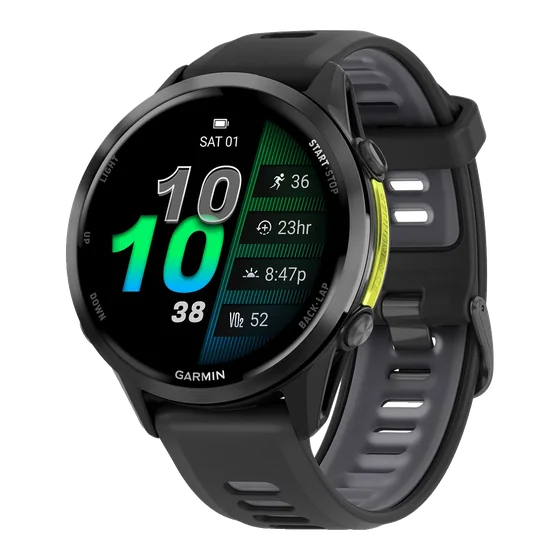
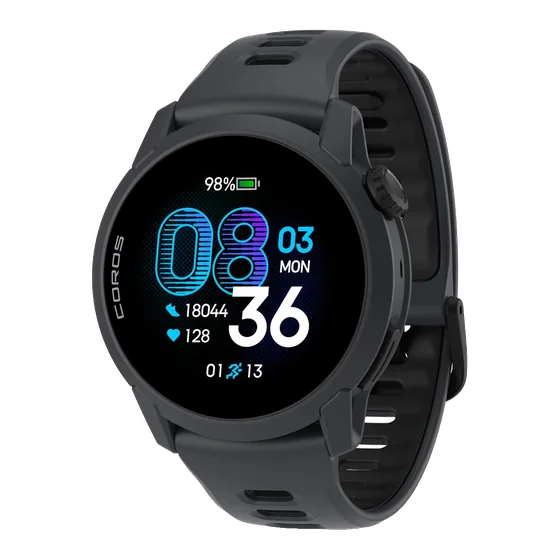 COROS PACE 4Under $250
Garmin Forerunner 70: when Garmin wins the cheap fight
Price band: under $250
On paper it's the weak link, with no multi-band at all. On the road it isn't. In DC Rainmaker's testing, its routes through trees, office towers and gravel were hard to tell from a multi-band Fenix 8 Pro's.
The battery is where the box flatters. Garmin claims 16 hours in its best GPS mode. TechRadar's one measured hour came in just shy of 10%/hour, projecting to roughly two-thirds of that. It's one sample, but the only one. That still covers any marathon, and it's well short of the PACE 4. Daily wear holds up: against Garmin's 5 days always-on, Tom's Guide got 6. DC Rainmaker reports the battery is user-replaceable, though Garmin hasn't published how. A battery you can change is worth more to us than any feature on this list.
What you're paying for is the coach. Garmin Coach adaptive plans, run/walk included, come free with a daily Training Readiness score. COROS has free plans but no readiness score. Treadmill runners have a second reason. One Northeast owner says his PACE 4's VO2 max stayed blank after months of indoor-only miles. That's one home's report, and nothing in the evidence contradicts it.
The catch is what's missing: no music or headphones, no Garmin Pay, no maps beyond breadcrumbs, no open-water mode. For a first watch or a treadmill winter, we'd buy it over the PACE 4. Our beginners' guide explains why. The older Forerunner 165, a band lower, lacks Training Readiness, so it isn't in this fight.
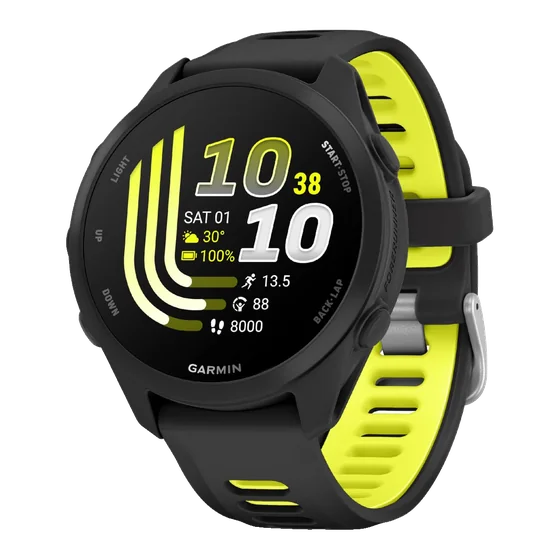
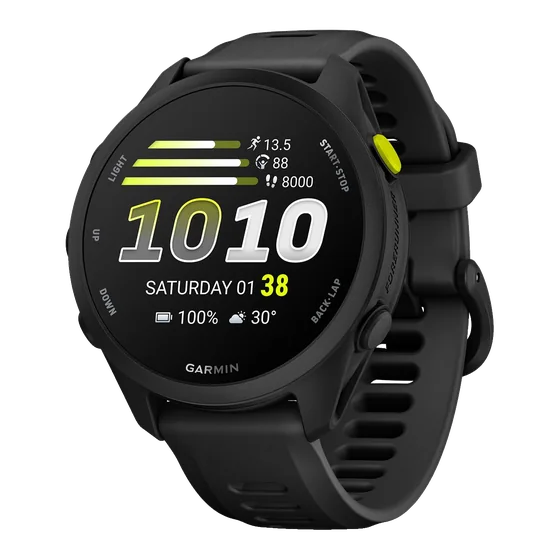 Garmin Forerunner 70Under $250
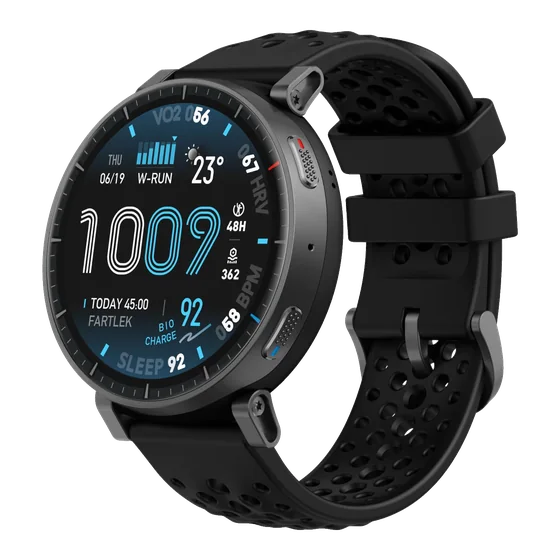
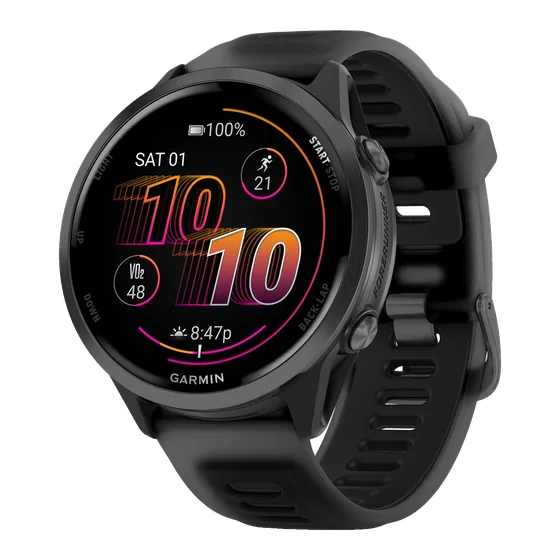 Garmin Forerunner 570 – 47mmWins the middle pair: music and Garmin Pay for road racingUnder $600
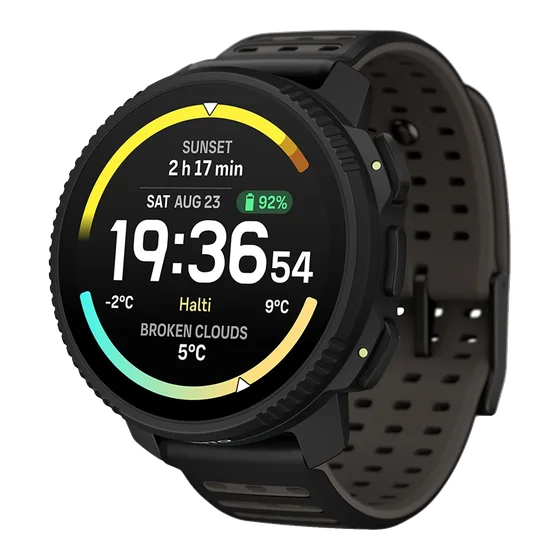
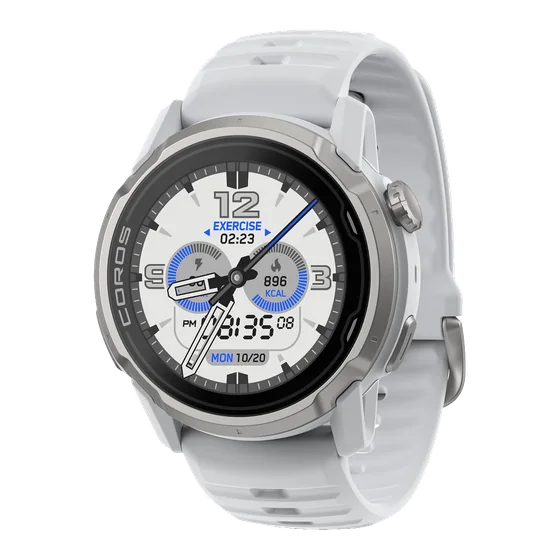 COROS APEX 4Top pair, for trails and ultrasUnder $500